


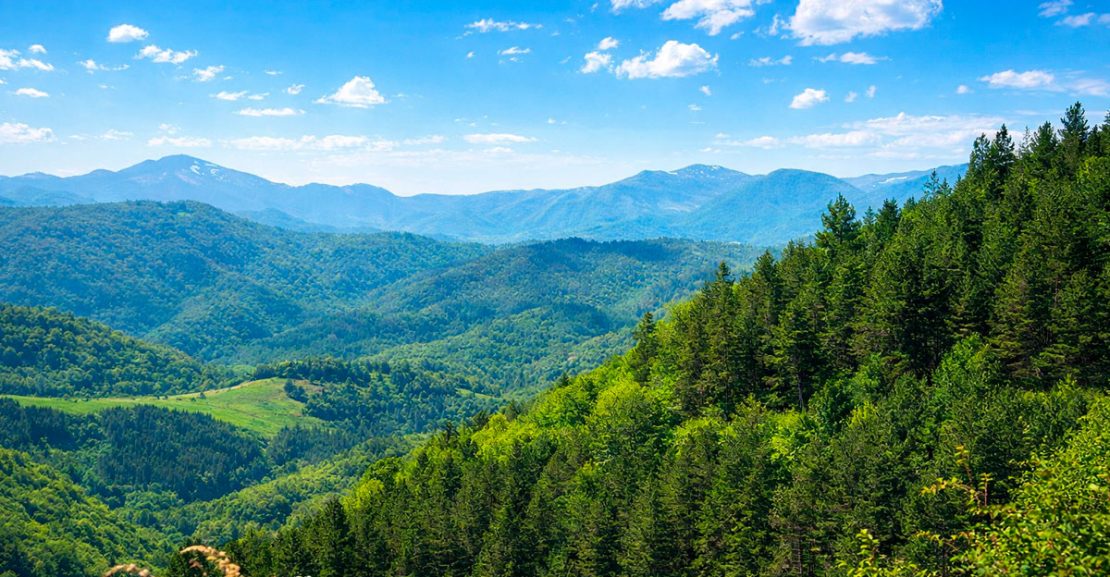
Dilijan is one of those destinations people visit not for a single landmark, but for the overall experience it offers. Located about 95–96 kilometers (around 60 miles) from Yerevan, it’s close enough for a short trip, yet noticeably different in terms of climate, nature, and atmosphere. The drive takes about an hour and a half, and along the way the scenery gradually changes: drier landscapes give way to dense forests, while the air becomes cooler and fresher.
What makes this region stand out is its balance of nature and architecture. Forests, mountainous terrain, and historic monasteries come together to create a route that doesn’t require rushing and can easily be adapted to any type of trip – from a short visit to a full day with multiple stops. This flexibility is exactly what makes Dilijan one of the most convenient destinations for a self-guided road trip.
The easiest way to organize this kind of trip is by car.
If you’d rather not spend time planning routes or focusing on the drive itself, you can opt for a car rental with a driver in Yerevan from Gurosun. This allows you to focus on the locations and manage your time between stops without unnecessary stress.
The Most Interesting Places in Dilijan
Despite its relatively small size, Dilijan and its surroundings offer a surprising variety of experiences, from architectural landmarks to scenic natural routes. Below are the places that create a complete impression of the region.
Haghartsin Monastery
Hidden deep within a dense forest, the Haghartsin Monastery complex creates a strong sense of quiet and seclusion. Built between the 10th and 13th centuries, its stone structures blend naturally into the surrounding landscape, while the road leading to the monastery passes through picturesque woodland.
What stands out here is not only the historical architecture, but also the atmosphere – the absence of noise, the soft natural light, and the scent of pine in the air.
The complex includes several churches, a refectory, and auxiliary buildings, offering insight into monastic life across different periods. Despite restoration work, the site has retained its authenticity while becoming more accessible to visitors.
Parz Lake (Parz Lich)
Parz Lake is a small but visually striking natural spot surrounded by the forests of Dilijan National Park. The water is calm and often reflects the trees like a mirror, creating ideal conditions for photography.
The area is well-maintained, with walking paths, boat rentals, and spaces to simply relax outdoors. It works equally well as a short stop or as a place to spend a few unhurried hours in nature.
Sharambeyan Street
The historic part of the town is centered around Sharambeyan Street, where traditional houses with carved wooden balconies and distinctive architecture have been carefully restored. This area offers a glimpse into what Dilijan looked like in the past.
Today, the street is home to artisan workshops, small galleries, and cozy cafés. A walk here doesn’t take long, but it leaves a lasting impression and adds a cultural layer to the overall experience.
Goshavank Monastery
Located a few kilometers from Dilijan, Goshavank Monastery is associated with the scholar and thinker Mkhitar Gosh. The complex is especially known for its khachkars – intricately carved stone crosses considered among the finest examples of Armenian stone craftsmanship.
Compared to Haghartsin, the architecture here is more restrained, but the details make it stand out: decorative patterns, inscriptions, and the proportions of the buildings. This site is particularly interesting for those who want a deeper understanding of Armenia’s cultural heritage.
Dilijan National Park
Dilijan National Park covers a large part of the region and is one of Armenia’s key natural areas. It features trails of varying difficulty, from easy walking paths to longer hiking routes.
The forests are rich in flora and fauna, and the changing seasons significantly transform the landscape – from vibrant green in summer to rich autumn colors. For travelers, it’s a chance to see a different side of Armenia, far from the more typical rocky scenery.
The Best Time to Visit Dilijan
Dilijan is worth visiting year-round, with each season offering a different perspective:
- Spring brings fresh air and lush greenery, making it ideal for walks and exploring the surrounding areas.
- Summer is comfortable in terms of temperature, which makes the region popular for outdoor activities and hiking.
- Autumn is often considered one of the best times to visit thanks to vibrant foliage and mild weather – the landscapes become especially expressive.
- Winter adds a sense of quiet and stillness, while snow-covered forests create a completely different atmosphere.
The best time to visit ultimately depends on your travel style, whether it’s active exploration, photography, or a more relaxed retreat.
When the Route Becomes a Memory
Dilijan doesn’t overwhelm with impressions – it builds them gradually. First comes the road, then the forests, the architecture, the quiet of the monasteries, and unhurried walks. This steady rhythm makes the trip feel complete and memorable.
For those planning to see more and expand their route, it’s worth looking into other destinations across the country in advance. Armenia has many places that lie beyond the usual tourist paths and can be just as surprising – you can explore them in our article about unique places in Armenia.
A trip to Dilijan often becomes one you want to return to, not because of a single highlight, but because of the feeling that stays with you – shaped by the road, the air, and the sense of space.